
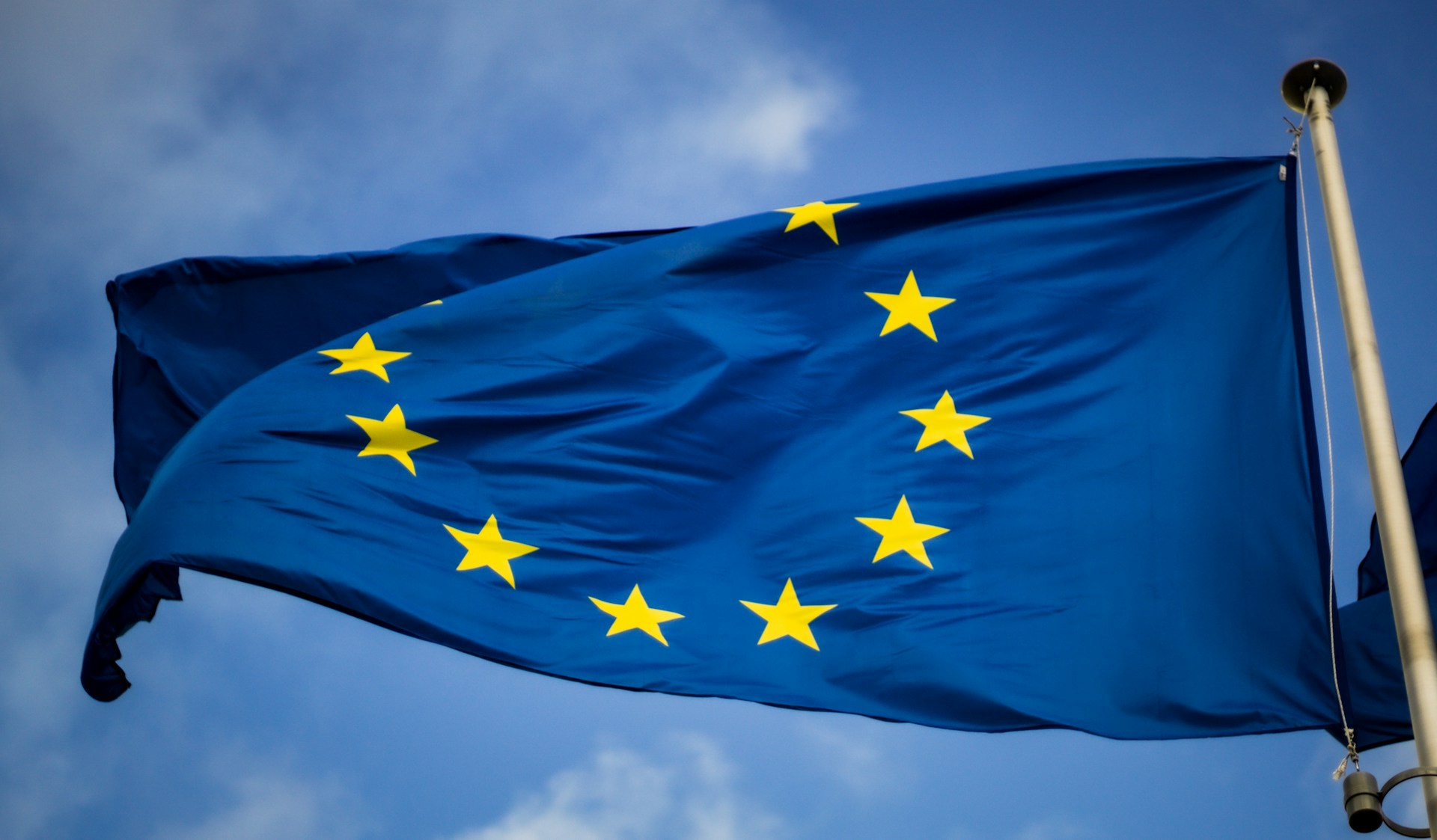


Financial watchdogs in France, the Netherlands and the wider European Union told the Financial Times that they had seen scammers exploit the disruption caused by a July 1 licensing deadline under the Markets in Crypto-Assets Regulation, known as MiCA.
Customers of unlicensed exchanges may already expect instructions telling them to withdraw or transfer their crypto, making fake emails, websites and account details harder to spot.
"This moment is an opportunity for scammers more than usual," said Stéphane Pontoizeau, an executive director at France's Autorité des Marchés Financiers (AMF), the country's financial-markets regulator.
- The AMF said it had encountered several cases in which criminals pretended to represent either the regulator or a crypto platform and directed users to transfer assets to fake websites.
- The Dutch Authority for the Financial Markets also warned that criminals may target people searching for a new licensed crypto provider.
Hundreds of platforms lost permission
MiCA created a single authorization system for crypto companies operating across the EU. Platforms previously allowed to serve customers under national rules could continue only until July 1 of this year, unless they obtained authorization under the new system.
Only 323 companies had secured licenses by the end of July, according to the FT's review of an ESMA register.
- Data provider VASPnet estimated that more than 1,700 others would have to stop operating, sell their local businesses or transfer customers elsewhere.
ESMA, the EU's securities regulator, had already told customers of unlicensed platforms to move their assets to an authorized company or a self-hosted wallet.
But that legitimate warning has now become part of the scammers' script.
The scale of losses linked specifically to the MiCA transition remains unclear. Regulators cited an increase and several known cases but disclosed no victim or loss figures.
Still, impersonation fraud was already one of the fastest growing areas of crypto crime, rising 1,400% last year, according to data from blockchain intel firm Chainalysis.