


Zcash creator Zooko Wilcox pushed back on Telegram founder Pavel Durov's claim that the messaging app has "never disclosed a single byte of private messages," saying the more important issue is that regular Telegram chats aren't end-to-end encrypted by default.
Durov wrote on X on May 24 that Telegram had "never disclosed a single byte of private messages to third parties," while noting that he remains under investigation in France on more than a dozen charges.
Wilcox, the creator of Zcash, a privacy-focused cryptocurrency, replied that users should look past the wording and focus on encryption.
Zooko Wilcox
Telegram claims its Secret Chats use end-to-end encryption and aren't part of Telegram's cloud, but regular cloud chats are designed to sync across devices. Telegram's own FAQ says Secret Chats "leave no trace" on its servers and can only be accessed from the devices where they started.
- Telegram's own technical documentation also says Secret Chats are one-on-one chats encrypted with a key held only by the participants, and that the Secret Chat system is different from what Telegram uses for cloud chats.
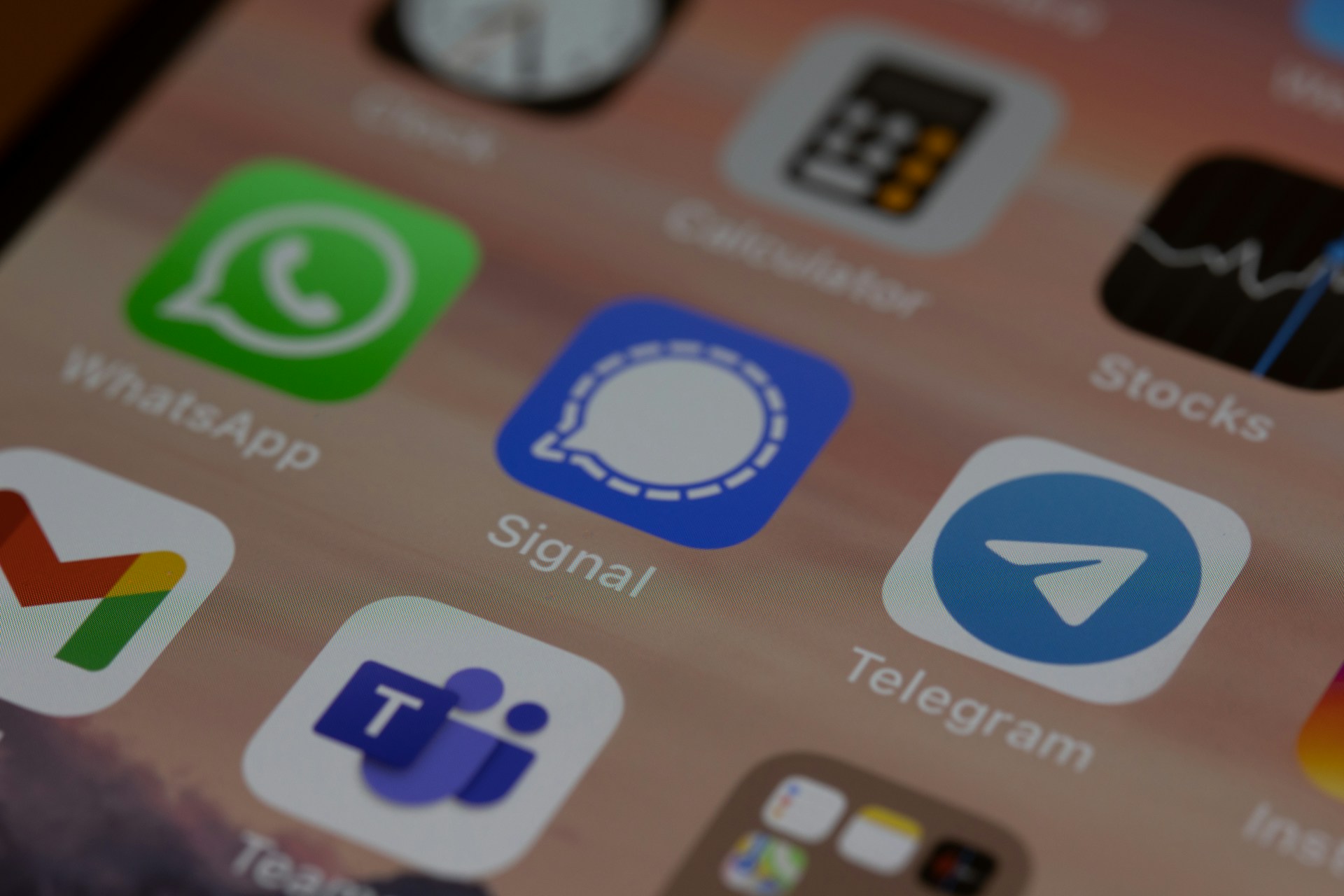
Wilcox argues that the default setup makes Telegram different from apps such as Signal, WhatsApp and iMessage, where normal messages are end-to-end encrypted before they leave the user's device.
He told users to test Telegram by losing a phone, logging in on a new one and seeing old messages reappear, arguing that those messages come from Telegram's cloud copies.
Wilcox also attached a screenshot from BleepingComputer referring to a January 2025 report that said Telegram fulfilled 900 U.S. government requests and shared phone-number or IP-address information for 2,253 users.
- It's worth noting though that the report was about account identifiers, not message contents.
- Telegram changed its privacy policy in September 2024 to allow disclosure of users' phone numbers and IP addresses to authorities in response to valid legal requests when users violate its rules, following Durov's arrest in France.
Durov has repeatedly argued that Telegram doesn't hand over message content. He also said in a Telegram post in 2025 that Telegram could disclose only IP addresses and phone numbers of suspected criminals under lawful requests, not messages.
Pavel Durov
But as Wilcox argued, the issue was Telegram's encryption model.
"Everything Durov says about the bullshit WhatsApp lawsuit, about France, about 'not one byte'—it is all just flim-flam to distract you from the important thing: *end-to-end-encryption*," the Zcash creator wrote, adding that messages are secure on Signal, WhatsApp and iMessage, but "not so on Telegram."