


Sber, Russia's largest state-controlled lender, wants to expand loans backed by Bitcoin, Ethereum and USDT. But a new Bank of Russia proposal could complicate that plan, The Coinformer found.
- In an Aug. 29 interview with TASS, Sber deputy chairman Anatoly Popov said businesses were already showing "tangible" demand for loans backed by crypto, particularly crypto miners and companies holding crypto.
"We are in dialogue with the regulator," Popov said, adding that Sber wants banks to be able to rely more on the "value and quality of digital collateral."
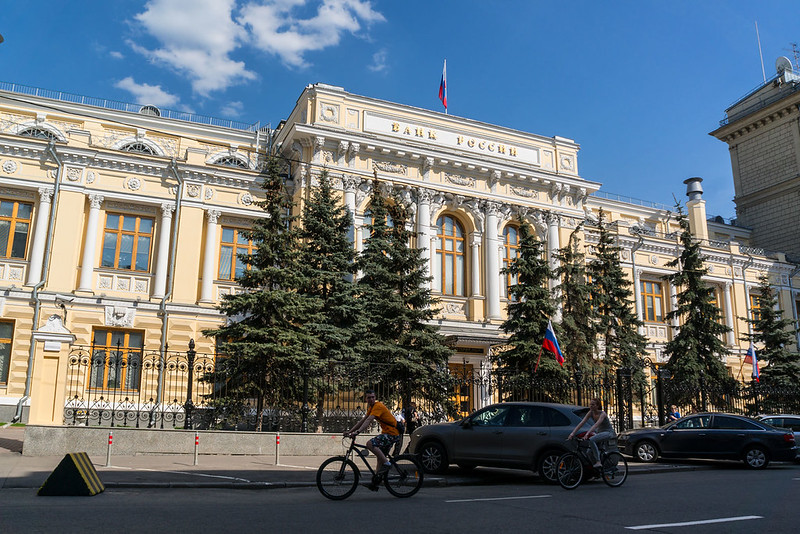
But a new draft regulation published by the Bank of Russia on Sept. 18 says collateral consisting of cryptocurrencies or foreign digital instruments can't be counted when banks calculate reserves for possible loan losses.
The central bank is taking a harder line
Banks normally have to set aside some money in case a borrower doesn't repay a loan. Under the proposed rule, Bitcoin or USDT used as collateral wouldn't let the bank set aside less money.
Although that wouldn't ban crypto-backed loans, it could still make them more expensive or less attractive for banks to offer.
The same proposal would cap banks' covered crypto risk at 1% of their capital and apply a 1,250% risk weight to certain crypto exposures when calculating capital adequacy.
That doesn't mean the bank must keep $1 million in cash. It means the position in BTC would eat up far more of the bank's regulatory risk limit, forcing it to hold more of its own capital or cut back on other loans and investments to keep the same safety ratios.
In practice, that makes holding large crypto positions much less attractive for banks.
And that puts Sber's lobbying in a different position. The bank wants crypto collateral to carry more weight when it decides whom to lend to, but the regulator's draft would explicitly deny that collateral value in one of the key prudential calculations banks must make.
- The rules are still a draft, though. The Bank of Russia says it plans to finalize them in Q4 of 2026, with reporting on the new limits beginning in January 2027.